Imagine the world of Star Wars subtly touching E.T., or the gritty streets of Blade Runner extending into the terrifying future of Alien. This isn't just fan fiction; it's the thrilling frontier of Crossover Events & Shared Universe Theories, where beloved fictional worlds collide, intertwine, and expand in unexpected ways. From fleeting Easter eggs to meticulously crafted multiverses, these connections deepen our appreciation for storytelling, rewarding sharp-eyed viewers and sparking endless debate among enthusiasts. They transform standalone narratives into vast, interconnected tapestries, making our favorite characters and settings feel more real and expansive than ever before.
At a Glance: Navigating the Multiverse of Storytelling
- Beyond the Screen: Shared universe theories range from creator-confirmed canonical links to intricate fan speculations that connect disparate films, anime, and books.
- Levels of Connection: Crossovers can be subtle Easter eggs, explicit character cameos, or entire narrative frameworks that integrate multiple series into a cohesive timeline or multiverse.
- Why They Exist: Creators use shared universes to enrich lore, reward loyal fans, and extend franchise longevity, while fans relish the intellectual challenge and expanded possibilities.
- The Power of Evidence: Theories are often built on specific details: character mentions, recurring objects, consistent world-building elements, or direct creator statements.
- From Hollywood to Anime: This phenomenon isn't limited to Western blockbusters; anime, with its rich storytelling traditions, also offers fertile ground for shared universe exploration.
- Canon vs. Fanon: Understanding the difference between officially sanctioned connections and compelling fan theories is key to navigating these complex narratives.
Weaving Worlds: What Defines a Shared Universe?
At its heart, a shared universe is a fictional setting where multiple distinct narratives, characters, or franchises exist and interact, or are implied to exist, within the same reality. It's more than just a passing reference; it implies a consistent set of rules, history, and often, geography. Think of the Marvel Cinematic Universe (MCU) as the quintessential example, where Iron Man, Captain America, and Thor inhabit the same New York City and battle the same cosmic threats.
The allure for both creators and audiences is immense. For storytellers, it offers a boundless sandbox, allowing them to expand lore, explore new character dynamics, and create epic sagas that transcend individual stories. For us, the audience, it’s a profound deepening of immersion, offering a sense of scale and continuity that makes these worlds feel incredibly vast and real. It turns passive viewing into an active quest for connections, making every detail potentially significant.
The Spectrum of Shared Universes: From Whispers to World-Builders
Shared universes aren't monolithic. They exist on a spectrum, each level offering a different kind of connection and requiring a different level of investment from its audience.
- Easter Eggs and Homages: These are the lightest touches – a familiar object in the background, a subtle nod to another work. Often, they're simply a wink from the creator to the audience, not intended to be canonical but sparking fan speculation nonetheless. The appearance of the Pizza Planet truck in every Pixar movie is a classic example.
- Character Cameos: When a character from one series makes an appearance in another, it strengthens the potential link. This can be a brief, non-essential role or a significant plot point. The key here is recognizability and interaction, even if fleeting.
- Lore Overlap: This involves shared concepts, organizations, or historical events that are referenced across different stories, even if specific characters don't cross paths. Stephen King's "Macroverse" operates heavily on this principle, where entities and ideas like Pennywise or the Dark Tower are threads weaving through many tales.
- Explicit Confirmation/Canonical Links: The gold standard for shared universes. Here, creators directly confirm that their works exist in the same continuity, often through interviews, supplementary materials, or direct narrative integration. The "Imouto Universe" of Eromanga Sensei and OreImo is a prime example of this rare, direct confirmation.
- Multiverses: The most expansive form, where multiple distinct universes exist side-by-side, sometimes with characters able to travel between them. While technically not a single "shared universe," it represents the ultimate interconnectedness, allowing for infinite possibilities without rigid consistency.
Why We Crave Connection: The Psychology Behind Shared Worlds
Why do we spend hours dissecting frames, pausing movies, and rereading texts for clues? The human mind naturally seeks patterns and connections. Shared universe theories tap into this innate desire, transforming passive consumption into active participation.
- Sense of Discovery: Uncovering a hidden link feels like solving a puzzle, rewarding our observational skills.
- Expanded Immersion: The idea that more exists beyond the immediate story makes the fictional world feel deeper and more robust.
- Intellectual Play: Debating theories, marshaling evidence, and constructing arguments engages our critical thinking in a fun, low-stakes way.
- Community Building: Shared theories foster communities of fans who bond over their collective detective work and passion for storytelling.
- Nostalgia and Familiarity: Seeing beloved characters or elements from one story pop up in another evokes a powerful sense of nostalgia and comfort, reinforcing our connection to those fictional worlds.
Unpacking the Theories: A Deep Dive into Movie Worlds
Hollywood has been a fertile ground for shared universe concepts, some intentionally built, others born from the collective imagination of fans. Let's look at some of the most compelling.
Alien, Soldier, Blade Runner: A Gritty Sci-Fi Tapestry
This theory proposes a grim future where the Alien, Blade Runner, and Soldier franchises are all interconnected. The evidence is surprisingly robust. Alien vs. Predator comics, while a different medium, reinforce the Alien and Blade Runner link. More concretely, a crew member's file in Alien mentions the Tyrell Corporation, the infamous entity from Blade Runner. Further still, the protagonist's combat records in Soldier indicate battles that took place in the Blade Runner universe. All three films share a thematic interest in artificial intelligence, corporate power, and humanity's darker side. While creators Ridley Scott and Paul W. S. Anderson haven't explicitly confirmed it, the connections are tantalizingly specific, painting a consistent, bleak vision of the future.
Back to the Future's Wild West Surprise
A fun, less complex theory links A Million Ways to Die in the West with Back to the Future Part III. Doc Brown himself, from Back to the Future Part III, makes a cameo in Seth MacFarlane's Western comedy, working on his iconic DeLorean in an Old West town. This isn't just an actor playing a similar role; it's a direct portrayal of the character, implying that both films literally occur in the same location, albeit at different points in time. It’s a delightful, straightforward nod that solidifies a shared temporal space.
The Stephen King Macroverse: All Roads Lead to the Dark Tower
Perhaps one of the most sprawling and intricate shared universe theories belongs to the master of horror, Stephen King. It posits that all his books and adaptations exist within a single multiverse, tethered together by the mystical "Dark Tower." Evidence is rampant across his bibliography: Pennywise from IT and the enigmatic Randall Flagg make cameos or are referenced across numerous King novels (e.g., The Stand, Eyes of the Dragon). Some theories even speculate that Flagg is Carrie White's father or that he and Pennywise are different manifestations of the same ancient evil. King's stories often hint at a larger, cosmic evil and interconnected destinies, making this a powerful, overarching theory that deepens the horror of his entire oeuvre.
A Ghostbuster Makes a Cameo in Casper
For fans of supernatural comedies, this connection brings a smile. In the 1995 film Casper, Ghostbuster Ray Stantz, played by Dan Aykroyd, makes a direct cameo, responding to a call at Whipstaff Manor. Both Casper and Ghostbusters depict a world where ghosts are a tangible (if sometimes cartoonish) presence, making their coexistence plausible. It's a fun, family-friendly crossover that subtly expands both worlds' perception of the paranormal.
View Askewniverse Meets Scream: Kevin Smith's Meta-World
Kevin Smith's "View Askewniverse," spanning nine movies, is renowned for its interconnectedness. This universe extends its reach into the Scream franchise. Jay and Silent Bob make a cameo in Scream 3, encountering Gale Weathers at Sunrise Studios. Further, in Jay and Silent Bob Strike Back, the duo hilariously destroys a fake Scream 4 movie set. These meta-references and direct character interactions firmly link the two properties, demonstrating Smith's characteristic blend of humor and self-awareness in his shared narrative.
E.T. Exists in the Star Wars Universe Theory
This beloved fan theory suggests a heartwarming connection between E.T. the Extra-Terrestrial and Star Wars. During the Galactic Senate scene in Star Wars: The Phantom Menace, aliens resembling E.T.'s species, known as the Asogians, are visible. While initially conceived as an Easter egg, fans quickly theorized it means E.T.'s species is simply one of many in the vast Star Wars galaxy, with one individual later finding their way to Earth. It adds a touch of magic and a sense of cosmic scale to E.T.'s journey.
Snowpiercer Is the Sequel to Willy Wonka Theory
One of the more outlandish yet surprisingly compelling fan theories links Snowpiercer with Willy Wonka & the Chocolate Factory. The theory proposes that Wilford, the enigmatic engineer of the Snowpiercer train, is none other than Charlie Bucket, grown up. Having inherited Wonka's factory and its genius for creating self-sustaining, fantastical systems, Charlie, faced with an environmental catastrophe, adapted his unique skills to build the train. The contained ecosystem, the strict hierarchy, and the almost cult-like devotion to a singular leader all mirror aspects of Wonka's factory, giving this theory a surprising, if grim, resonance.
The James Bond Codename Theory: An Enduring Legacy
How can multiple actors play James Bond across decades, yet the character often feels like the same person, despite soft reboots and inconsistent timelines? The "James Bond Codename Theory" offers an elegant solution: "James Bond" isn't a single person but a codename passed down to a new, highly trained agent when the previous one retires or is otherwise indisposed. This theory allows for all the films to exist in a continuous, albeit non-linear, timeline, explaining away cast changes and tonal shifts as simply different agents operating under the legendary 007 designation. It's a clever way to maintain consistency without sacrificing the franchise's long history.
Quentin Tarantino's Intertwined Narratives
Quentin Tarantino is a master of creating distinctive cinematic worlds, and he has explicitly confirmed that all his movies take place within the same universe. This isn't just an aesthetic choice; it's baked into the narrative. For instance, Mr. White from Reservoir Dogs mentions a character named Alabama, who is the protagonist of True Romance (written by Tarantino). Alabama, in turn, sells drugs to a character with a surname matching one in Inglourious Basterds. Perhaps the most famous link is the confirmation that Vincent Vega (Pulp Fiction) and Vic Vega/Mr. Blonde (Reservoir Dogs) are brothers. Tarantino even considered a prequel film starring the Vega brothers, further cementing their shared lineage and world.
The Grand Tapestry of Pixar Theory
The Pixar Theory is arguably the most well-known and elaborately constructed fan theory in modern cinema. It proposes that all Pixar movies exist within a single, coherent universe and timeline. The evidence is prolific: the recurring Pizza Planet truck appears in virtually every Pixar film (from Coco to Brave to Cars), Boo from Monsters Inc. has a Jessie cowgirl doll and the Luxo ball, and Finding Nemo character Darla is seen in Toy Story 3. The theory culminates in an apocalyptic event caused by humanity's exploitation of resources (WALL-E), leading to sentient machines (Cars) and animals (Finding Nemo, Ratatouille) developing intelligence, eventually creating the world of Monsters Inc. This intricate web of connections transforms individual films into chapters of an epic, millennia-spanning saga.
Unpacking the Theories: A Deep Dive into Anime Worlds
Anime, with its vast array of genres and unique storytelling approaches, also provides fertile ground for shared universe concepts, some explicitly stated, others brilliantly speculated by fans.
Key Visual Novel Studio: Emotional Bonds Across Worlds
Fans often speculate that anime produced by Key Visual Novel Studio, known for their emotionally resonant stories, like Kanon, Clannad, Air, and Angel Beats!, might exist in the same universe. A popular theory suggests that Ayu from Kanon is actually Fuuko from Clannad, citing their similar behavioral quirks and a shared, ethereal quality. While canonical evidence for a direct, physical shared universe is sparse, the consistent themes of loss, hope, and magical realism across Key's works create a powerful sense of an emotional or spiritual "shared universe" for many viewers.
The Naritaverse: Durarara!! and Baccano!'s Unseen Threads
Author Ryohgo Narita is famous for his "Naritaverse," which explicitly connects several of his distinct stories, most notably Durarara!! and Baccano!. The link is fascinating: Baccano! is presented as a media property (a book series) within the world of Durarara!!. Yet, the immortal Baccano! heroes, Isaac and Miria, make appearances in Durarara!!, despite the shows being set in different eras. This suggests a meta-connection where the "fictional" characters are real, or that the concept of "story" itself has a fluid reality within Narita's overarching narrative. The exact mechanics of the Naritaverse's interconnections are part of its enduring mystery and charm.
ONE’s Universe: Punching and Psychics in the Same World
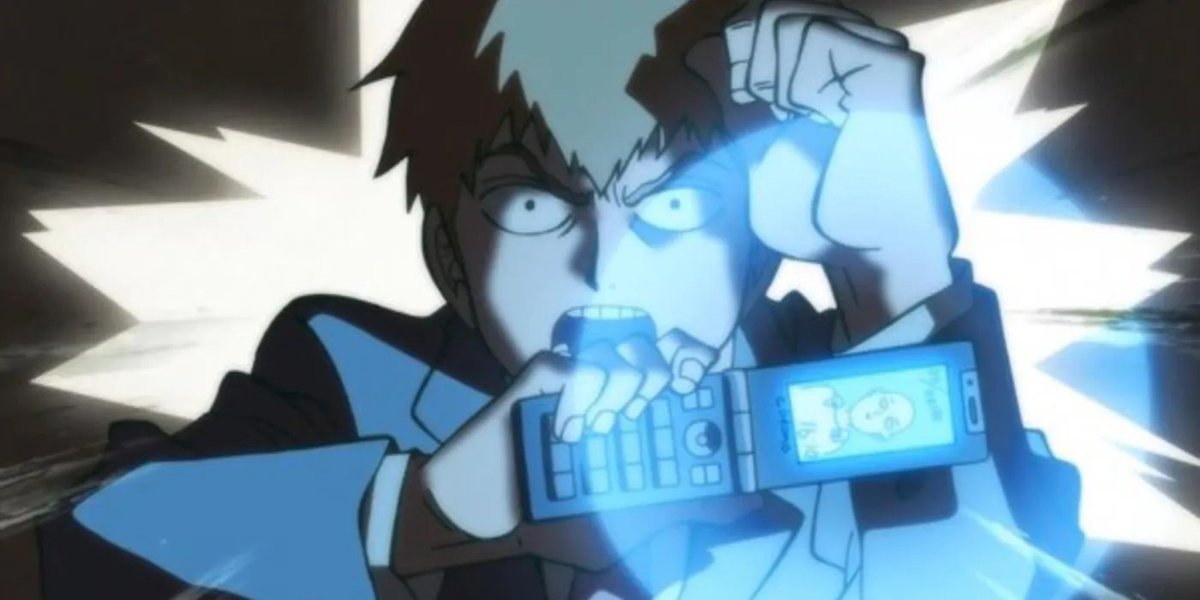
Mangaka ONE's breakout hits, One-Punch Man and Mob Psycho 100, are widely theorized to share a world, possibly at different points in time or parallel dimensions. The evidence primarily comes from playful internal references: Mob appears in panels within One-Punch Man, and Saitama, the hero of One-Punch Man, makes a cameo in Mob Psycho 100. These humorous nods from the author fuel fan speculation that the worlds of superhuman strength and psychic powers could indeed coexist, perhaps with Mob's more grounded psychic abilities operating in a world yet to be dominated by the extreme heroes and monsters of Saitama's era. If you enjoy the blend of the fantastical and the mundane, you might also like to Explore Ben Ten and Generator Rex, which also merges unique powersets within a coherent world.
OreImo And Eromanga Sensei ("Imouto Universe"): A Confirmed Connection
Unlike many fan theories, the "Imouto Universe" theory linking Eromanga Sensei and OreImo is a confirmed shared universe. Both series, written by Tsukasa Fushimi, focus on complex brother-sister relationships. The explicit confirmation came in Episode 11 of Eromanga Sensei, which featured a clear cameo from cast members of OreImo. This direct integration means fans don't have to theorize; they can enjoy a genuinely interconnected world where these beloved characters could, theoretically, bump into each other.
The TRIGGER-Verse: Studio Self-References and Cosmic Patrols
Studio TRIGGER, known for its dynamic animation and unique storytelling, has a self-proclaimed "TRIGGER-Verse." Writer and producer Hiromi Wakabayashi has confirmed the interconnectedness of their anime, which frequently self-reference various IPs. A prime example is Space Patrol Luluco, which features characters Inferno Cop and Luluco (who is also the studio's mascot, "Trigger-chan") canonically crossing over between different TRIGGER universes, including Kill la Kill and Little Witch Academia. This shared universe isn't always about a strict timeline but rather a vibrant, fluid multiverse where the studio's creations can playfully interact.
Makoto Shinkai’s Cinematic Echoes
Fans often speculate that Makoto Shinkai's beautifully animated films, such as Your Name and Weathering With You, might exist in the same world. The most compelling evidence comes from the cameo of Your Name's protagonists, Taki and Mitsuha, in Weathering With You. However, subtle discrepancies in the depiction of Tokyo between the films lead many to believe these are more likely homages or Easter eggs rather than explicit canonical connections. Regardless, the shared emotional resonance and thematic elements across Shinkai's works create a powerful sense of a cohesive artistic vision, even if not a strictly shared timeline.
Death Note And Death Parade Connection: Judgment Beyond Life
Two popular Madhouse-animated series, Death Note and Death Parade, are theorized to be connected. The core evidence is straightforward: Light Yagami from Death Note makes a cameo in an episode of Death Parade. Conceptually, the two shows don't contradict each other within a shared world. Death Note deals with how people die and are judged by gods of death, while Death Parade explores the post-death judgment process by arbitrators. A shared universe could logically explain the afterlife mechanics that Light's actions inadvertently feed into, creating a darker, more philosophical connection between the series.
Steins;Gate as part of the Science Adventure Universe: Beyond Time and Chaos
Many fans enjoy Steins;Gate as a standalone masterpiece, but it's actually a canonical part of the larger "Science Adventure" (SciADV) universe. This is a crucial, though sometimes overlooked, fact. The SciADV franchise actively links the worlds of Steins;Gate, Chaos;Head, and Robotic;Notes, among others. Each series explores different core sci-fi concepts (time travel, delusion, robotics) but shares underlying lore, organizations, and occasional references that firmly tie them into a single, cohesive narrative framework. Understanding this broader universe enriches the experience of each individual story.
Shinichiro Watanabe’s Jazz-Infused Worlds
The "Shinichiro Watanabe Cinematic Universe" theory links his iconic works like Cowboy Bebop, Space Dandy, and possibly Samurai Champloo. Cowboy Bebop and Space Dandy share strikingly similar sci-fi worlds, including the same intergalactic currency, "Woolong," and comparable societal structures, hinting at a shared future. If Samurai Champloo is included, it would likely take place in a distant past, with fans drawing parallels between Mugen and Spike, suggesting they might be distant relatives or spiritual successors, embodying similar rebellious archetypes across eras. This connection highlights Watanabe's consistent stylistic and thematic concerns, regardless of the setting.
Chainsaw Man Cameo In My Hero Academia: Shonen Jump's Playful Nod
A more recent theory has sparked excitement among manga readers, connecting Chainsaw Man and My Hero Academia. Chapter 259 of My Hero Academia features a clear cameo of Denji from Chainsaw Man. Given that both series are published by the legendary Shonen Jump, it's highly likely this was a deliberate, respectful reference by Kohei Horikoshi to Tatsuki Fujimoto's work, a common practice among mangaka. However, this playful nod immediately fueled fan theories about a potential shared world or different timelines, where powerful devils and quirky heroes could somehow exist side-by-side, even if only in the imagination of enthusiastic readers.
Fan Theories vs. Creator Confirmations: Navigating the Canon
One of the biggest distinctions in the world of shared universe discussions is the difference between a fan theory and an officially confirmed connection.
- Fan Theories: These are speculative interpretations built on textual evidence (visual cues, dialogue, plot points), thematic consistency, and creative inference. They are born from a love for the material and a desire to make sense of perceived connections. While many are compelling, they remain unofficial unless endorsed by the creators.
- Creator Confirmations (Canon): These are direct statements from writers, directors, or producers, or explicit narrative inclusions (like a character from one series appearing in another with clear intent), that solidify a shared universe. Examples like the Naritaverse or the "Imouto Universe" fall into this category.
It's important to remember that both have value. Fan theories demonstrate audience engagement and can sometimes even influence creators. Canonical connections, however, provide a definitive framework for how stories truly interlink. Often, creators leave room for interpretation, enjoying the discourse their "Easter eggs" generate without necessarily committing to a full-blown shared universe.
The Power of "What If": Why We Love These Theories
Beyond the intellectual exercise, there's a deep emotional satisfaction in shared universe theories. They allow us to play "what if" games with our favorite stories. What if Pennywise fought the Losers' Club in Derry, Maine, while the Crimson King pulled strings in the background? What if a future Blade Runner was tasked with hunting an escaped synthetic in the Alien universe? These thought experiments extend the life of stories, keeping them fresh and relevant long after their original release. They blur the lines between passive consumption and active creation, inviting us into the storytelling process itself.
Crafting Your Own Interconnected Narratives
For aspiring storytellers, the allure of a shared universe is strong. If you're considering building one, here are a few guiding principles:
- Start Small: Don't plan a 20-movie universe from day one. Begin with subtle nods or thematic overlaps between two stories, then see where it naturally leads.
- Maintain Consistency: Whether it's the laws of physics, magic systems, or historical timelines, establish clear rules and stick to them. Inconsistencies break immersion.
- Respect Each Story: Each individual story within your shared universe should be able to stand on its own merits, even without the connections.
- Balance Foreshadowing and Payoff: Hint at deeper connections, but don't overwhelm the reader with exposition. Deliver satisfying payoffs when those hints come to fruition.
- Use Subtlety First: Easter eggs are a great way to test the waters and engage your audience's detective skills before committing to larger crossovers.
The Future of Interconnected Narratives: An Ever-Expanding Horizon
Crossover events and shared universe theories are more than just a passing trend; they are a fundamental evolution in storytelling. As media becomes increasingly interconnected and audiences grow savvier, the demand for richer, more expansive narratives will only grow. From streaming services investing heavily in interconnected franchises to independent creators weaving their personal universes, the landscape is constantly expanding.
Whether you're a casual viewer enjoying a clever Easter egg or a dedicated theorist meticulously mapping out every potential link, the magic lies in the possibility. These theories invite us to look closer, think deeper, and dream bigger about the worlds we love. They remind us that even in fiction, everything is connected, and the best stories often hide their greatest depths just beneath the surface. So next time you're watching a favorite film or anime, keep an eye out—you might just uncover the next great shared universe theory.